Compare Local Contractors for Interior Trim Service Quality
Compare local contractors for interior trim to define scope, verify experience, and set clear expectations to ensure your project meets your vision.
Interior trim services typically encompass the installation, replacement, or repair of decorative elements that frame and finish interior spaces. This work can include baseboards, crown molding, door and window casings, wainscoting, and other millwork that enhances the aesthetic appeal and character of a property. Properly executed trim work not only adds visual detail but also helps protect walls and surfaces, contributing to the overall quality and finish of interior design. When planning for interior trim projects, property owners should consider the scope of work carefully to ensure all desired elements are included and that the project aligns with the overall style of the space.
Defining the scope of an interior trim project is crucial for setting clear expectations and ensuring the work meets specific needs. A detailed scope might specify the types of trim to be installed, materials preferred, areas involved, and the level of craftsmanship required. Clarifying these details in writing helps prevent misunderstandings and provides a reference point for both property owners and contractors. It also facilitates more accurate comparisons between service providers, enabling property owners to evaluate experience and expertise relevant to their particular project.
When comparing local contractors for interior trim work, property owners should assess their experience with similar projects and review their portfolios or references if available. It’s important to verify that service providers understand the scope and style preferences, and to confirm that they are able to work within the defined parameters. Asking for detailed proposals that outline the scope of work and materials can help in making informed decisions. Additionally, considering factors such as communication style, professionalism, and the ability to provide clear, written agreements can contribute to a smoother project process and more satisfactory results.
Compare local contractors by outlining project priorities, verifying experience, and setting clear expectations in writing.
- Experience Verification - Check the background and project history of local contractors to ensure they have relevant experience in interior trim services.
- Scope Definition - Clearly outline the work to be done and set expectations in writing to prevent misunderstandings.
- Comparison of Contractors - Evaluate multiple service providers based on their expertise, portfolio, and reputation to find the best match.
- Written Agreements - Confirm all project details, responsibilities, and specifications are documented before work begins.
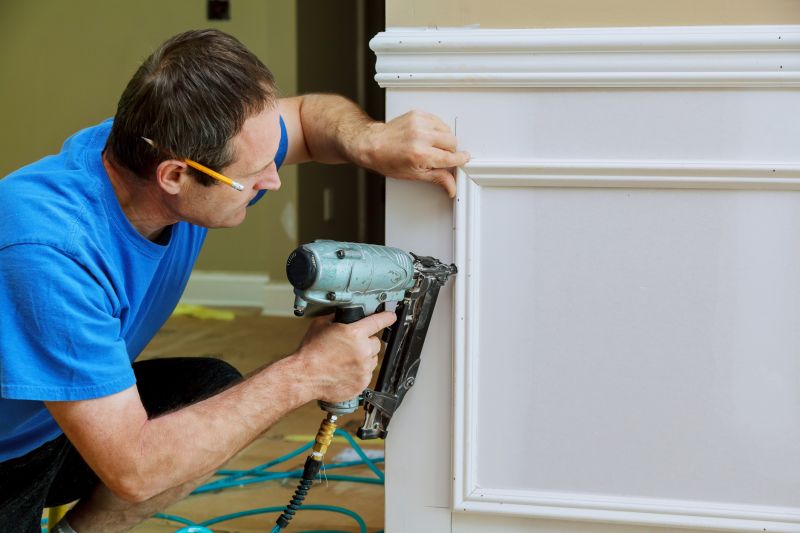
Clearly define your interior trim project and compare local contractors based on experience and written expectations.
- Verify experience and references for interior trim installation or finishing projects. - Ensuring contractors have relevant experience helps achieve quality results.
- Define the scope of work clearly in writing, including materials, finishes, and details. - Clear scope documentation helps prevent misunderstandings and scope creep.
- Compare multiple service providers to assess their expertise, reputation, and communication style. - Comparing local contractors allows for better decision-making based on their credentials.
- Check that contractors understand your design preferences and can match your aesthetic expectations. - Ensuring alignment on style and finish details is key to satisfaction.
- Request detailed written proposals outlining the work process, materials, and project deliverables. - Written proposals help set clear expectations and serve as a reference throughout the project.
- Confirm that contractors are willing to provide a detailed scope of work and project specifications in writing. - Written scope and specifications are essential for ensuring mutual understanding and accountability.
Compare local contractors to clarify scope, verify experience, and set clear expectations in writing.
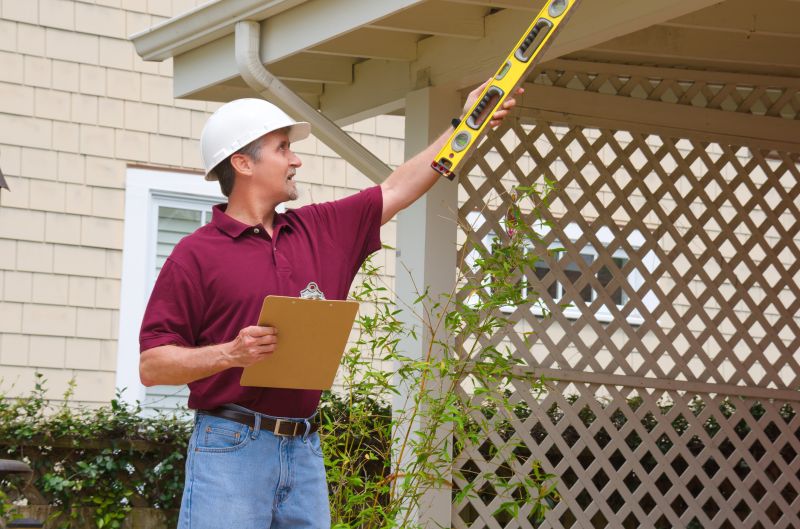



Use consistent comparison criteria to evaluate local contractors’ scope, experience, and written expectations for interior trim projects.
- Scope Definition - Clearly outline the specific types of interior trim work needed, such as baseboards, crown molding, or door casings.
- Material Selection - Specify the preferred materials and finishes for the trim to ensure consistency and meet aesthetic expectations.
- Experience Verification - Confirm that service providers have relevant experience with interior trim installation and finishing techniques.
- Work Specifications - Document detailed project requirements, including measurements, design preferences, and any custom features.
- Written Agreement - Ensure all scope details, materials, and expectations are documented in a written agreement before work begins.
When evaluating contractors for interior trim services, it’s important to consider their experience with projects similar in scope and style to the work at hand. Homeowners should inquire about the types of interior trim projects the service providers have completed, paying attention to the materials, design styles, and complexity involved. A contractor with a proven track record in comparable projects is more likely to understand the nuances of detailed trim work and deliver results that meet expectations. Reviewing portfolios or asking for references related to past work can help gauge a contractor’s familiarity and skill with the specific interior trim styles desired.
A clear, written scope of work is essential when comparing interior trim contractors. This document should outline the specific tasks, materials, and finishes involved in the project, providing a detailed description of what is included and what is not. Having a well-defined scope helps prevent misunderstandings and sets clear expectations for both parties. Homeowners should ensure that the scope covers all aspects of the trim installation or finishing, including preparation, installation, and any finishing touches. This clarity allows for more effective comparison among service providers and ensures everyone is aligned before work begins.
Verification of a contractor’s experience and reliability involves more than just reviewing credentials; it includes confirming basic practices such as checking references, reviewing past project outcomes, and understanding their process for quality control. Homeowners can ask service providers about how they handle project timelines, communication during the work, and how they address unexpected issues. It’s also helpful to verify that the contractor’s previous projects align with the homeowner’s style preferences and quality standards. Gathering this information provides a clearer picture of how each service provider manages interior trim projects and their level of professionalism.
When comparing options for interior trim services, homeowners should focus on how well each contractor’s experience, scope of work, and verification practices align with their project needs. It’s beneficial to ask detailed questions about the work process, materials used, and previous projects to assess the contractor’s expertise and approach. Reviewing written proposals or scope documents can help identify the level of detail and professionalism each service provider offers. By carefully evaluating these aspects, homeowners can make informed decisions that lead to a smooth and satisfactory interior trim project, connecting with local contractors capable of handling the specific requirements of the job.
Ask contractors to provide written scope details to ensure clarity and consistency throughout the project.
- Experience and Portfolio - What types of interior trim projects have local contractors completed similar to this scope?
- Scope Definition - How clearly does the contractor outline the specific work included and any exclusions?
- Materials and Techniques - What materials and installation methods do local service providers typically use for interior trim?
- Communication and Expectations - How do local contractors ensure that project details and expectations are agreed upon in writing?
- Comparison Criteria - What key factors should be considered when comparing different interior trim service providers?
How can I compare interior trim contractors effectively? Comparing contractors involves reviewing their experience, checking references, and verifying the scope of services they offer to ensure they meet project needs.
What should I consider when defining the scope of interior trim work? Clearly outline the types of trim, areas to be worked on, and desired finishes to help contractors provide accurate proposals and avoid misunderstandings.
How do I verify a contractor's experience with interior trim projects? Ask for a portfolio of past work, request references, and inquire about the types of projects they have completed similar to your needs.
Why is it important to have work details in writing? Having the scope, materials, and expectations documented helps prevent misunderstandings and provides a reference throughout the project.
What questions should I ask a contractor during the selection process? Inquire about their experience, the materials they recommend, their process for managing the project, and how they handle unexpected issues.
How can I ensure the contractor understands my interior trim vision? Communicate your preferences clearly, provide examples if possible, and confirm that the scope and details are documented before work begins.
By reviewing the information provided, visitors can better understand how to identify qualified contractors for interior trim services, including defining the scope of work, verifying experience, and setting clear expectations in writing. This approach helps ensure that choosing a local contractor aligns with specific project needs and standards. Utilizing the quote form allows for easy comparison of options, making it simple to connect with trusted service providers in the area.
Taking a few moments to complete the quote form can facilitate connections with experienced local contractors capable of handling interior trim projects. Comparing different service providers based on scope, experience, and written expectations helps make informed decisions. This process supports finding the right professionals to meet individual project requirements efficiently and effectively.