Compare Local Contractors for Residential Trim Installation Success
Compare local contractors for residential trim installation to define scope, verify experience, and set clear expectations in writing for a successful project.
Residential trim installation encompasses a variety of finishing details that enhance the appearance and functionality of a home’s interior. This work typically includes installing or replacing baseboards, crown molding, door and window casings, wainscoting, and other decorative or protective moldings. Proper trim work can improve the overall aesthetic of a space, provide a polished look, and contribute to the home’s value. Contractors experienced in residential trim understand the importance of precise measurements, clean cuts, and seamless finishes to ensure the final results meet the homeowner’s expectations.
Defining the scope of a trim installation project is a crucial step in ensuring a successful outcome. Clear communication about what areas will be worked on, the types of materials to be used, and the desired style helps prevent misunderstandings and scope creep. Property owners should consider discussing details such as the specific trim profiles, the extent of the work (e.g., just baseboards or complete crown molding), and any special design preferences. Having these details in writing can serve as a reference point throughout the project and help ensure that the finished work aligns with the original vision.
When comparing local contractors for residential trim installation, property owners should evaluate their experience with similar projects and ask about their previous work. It’s helpful to review any portfolios or references that demonstrate their skill level and attention to detail. Additionally, understanding how each contractor approaches project planning, communication, and scope management can aid in making an informed decision. Gathering multiple quotes and clarifying what is included in each proposal allows property owners to compare the options effectively, ensuring they select a service provider who can meet their specific needs and expectations.
Compare local contractors by outlining project priorities, verifying experience, and clearly defining scope and expectations in writing.
- Compare Contractor Experience - Review the backgrounds of local contractors to assess their familiarity with residential trim installation.
- Define Project Scope Clearly - Specify the details of the trim work to ensure all parties understand the expectations.
- Verify Work History - Check references or past projects to gauge the quality and reliability of service providers.
- Document Agreements in Writing - Put all project details, scope, and expectations into a formal agreement to prevent misunderstandings.
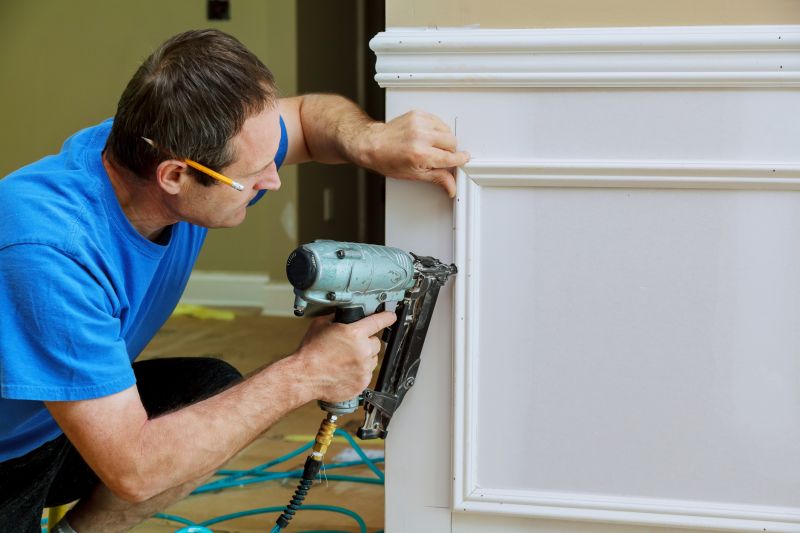
Clearly describe your residential trim installation project to help compare contractors, define scope, verify experience, and set expectations in writing.
- Verify the contractor’s experience with residential trim installation to ensure familiarity with the specific materials and techniques involved.
- Compare multiple service providers to assess their scope of work and ensure it aligns with the project requirements.
- Request detailed written estimates that outline the scope of work, materials, and any additional services included.
- Check references or reviews to gauge the quality of previous residential trim projects completed by the contractor.
- Ensure the contractor clearly defines project expectations, including material choices, installation methods, and finish details, in writing.
- Confirm that the service provider is willing to provide a detailed scope of work and warranty information before proceeding.
Use this to compare local contractors, clarify scope, verify experience, and set clear expectations.

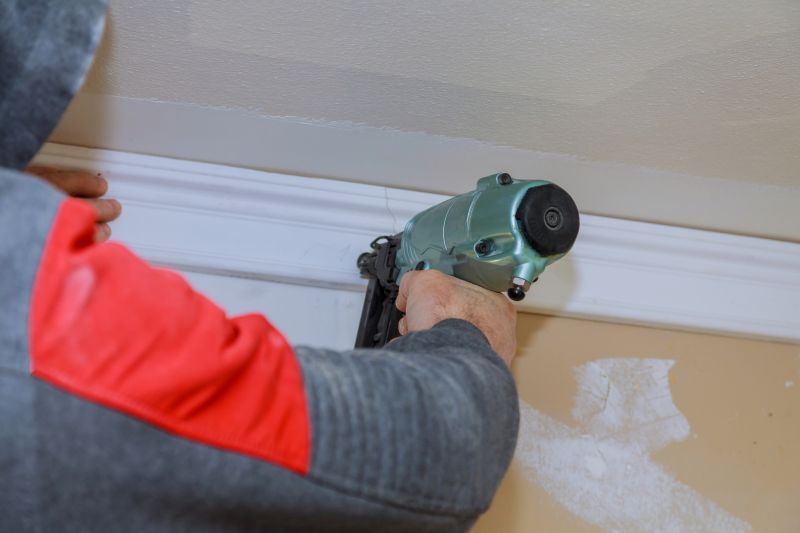
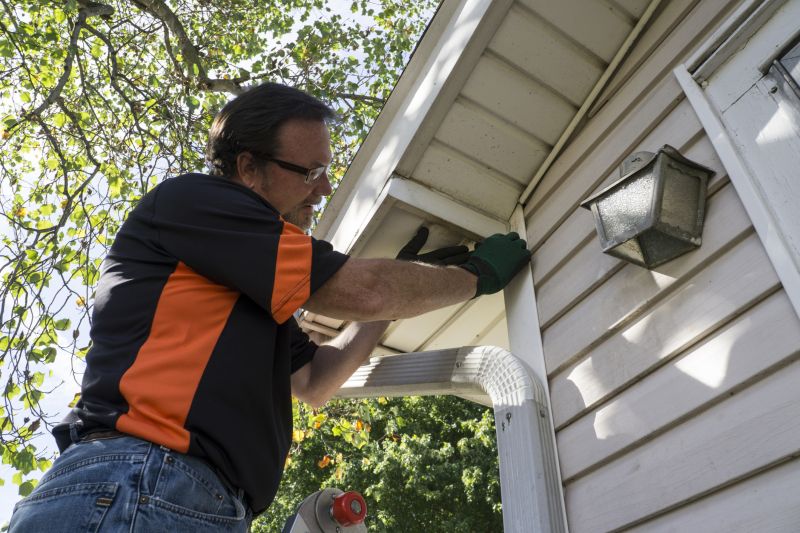

To compare residential trim installation contractors effectively, focus on defining scope, verifying experience, and maintaining consistent expectations.
- Define scope of work - clearly specify the types of trim, areas to be covered, and finish details expected in the installation.
- Assess experience and expertise - verify that local contractors have relevant experience with residential trim projects similar in scope.
- Determine material preferences - identify the types of trim materials and styles preferred for the project to ensure compatibility.
- Establish communication expectations - outline how project details, scope changes, and progress updates will be documented in writing.
- Compare service providers - evaluate potential local contractors based on their scope definitions, experience, and clarity in communication.
When evaluating contractors for residential trim installation, it is important to consider their experience with similar projects. Homeowners should look for service providers who have a proven track record of completing trim work comparable in scope and style to the project at hand. Reviewing portfolios or asking for examples of past work can help determine whether a contractor has the necessary expertise and familiarity with the specific types of trim, materials, and design details involved. Experience with similar projects can often indicate a contractor’s ability to handle unique architectural features and deliver a finished result that aligns with expectations.
A clear, written scope of work is essential when comparing contractors for residential trim installation. This document should outline the specific tasks to be performed, the types of trim to be installed, and any particular design or finish requirements. A detailed scope helps ensure that both the homeowner and the service provider have a shared understanding of the project’s parameters, reducing the likelihood of misunderstandings or unmet expectations. When reviewing proposals or estimates, homeowners should verify that the scope is comprehensive and precisely describes the work to be completed, serving as a foundation for effective communication and project planning.
Verifying basic aspects of a contractor’s approach can aid in making an informed decision. This includes confirming that the service providers understand the importance of proper measurement, material selection, and preparation before installation begins. It is helpful to inquire about their process for quality control, such as checking for proper fit and finish, and how they handle potential issues that may arise during the project. While not a substitute for detailed references, understanding a contractor’s verification methods can provide confidence that they prioritize accuracy and attention to detail, which are crucial for achieving a professional-looking result.
When comparing options, homeowners should focus on how each contractor plans to approach the project rather than solely on price or availability. Evaluating the clarity of their communication, the thoroughness of their scope, and their experience with similar projects can help identify service providers who are well-equipped to meet expectations. Asking questions about their process, requesting detailed written descriptions of the work, and reviewing their portfolio or references can provide insights into their professionalism and reliability. This approach allows homeowners to select a contractor who is capable of delivering quality trim installation tailored to their home’s style and needs.
Ask contractors to provide written scope details to ensure clear expectations and consistent project understanding.
- Experience and Portfolio - What specific experience do local contractors have with residential trim installation projects similar to the scope?
- Scope of Work - How do service providers define and document the scope of work to ensure clear expectations?
- Material and Finish Options - What options do local contractors offer for trim materials and finishes, and how are these included in the project scope?
- Project Process - How do local pros typically communicate and confirm project details and expectations in writing?
- Warranty and Follow-up - What warranties or guarantees do service providers offer, and how are post-installation issues addressed?
How can I compare contractors for residential trim installation? To compare local contractors, review their experience, verify references, and examine their portfolios or previous work examples to ensure they meet project expectations.
What should I consider when defining the scope of trim installation? Clearly outline the types of trim, areas to be worked on, and the level of detail required to help contractors provide accurate proposals and avoid misunderstandings.
How can I verify a contractor’s experience with residential trim projects? Ask for details about their previous work, request references, and review any available testimonials or project summaries related to trim installation.
Why is it important to have the scope and expectations in writing? Having a detailed, written agreement helps ensure all parties understand the work to be done, reduces misunderstandings, and provides a reference for project completion.
What questions should I ask contractors during the selection process? Inquire about their experience, the materials they recommend, their process for handling unexpected issues, and how they communicate project details and changes.
How can I ensure a contractor is suitable for my residential trim project? Evaluate their experience, compare their proposals, check references, and confirm they understand your project scope and expectations before making a decision.
This overview highlights the importance of carefully comparing contractors to find the right service providers for residential trim installation. Visitors learned how to define the scope of work clearly, verify the experience of potential contractors, and ensure all details are documented in writing to set clear expectations. Taking these steps can help streamline the process and support informed decisions when selecting local contractors.
To explore options and connect with qualified service providers, use the quote form to compare local contractors. This approach makes it easier to evaluate different professionals, understand their offerings, and find the best match for residential trim installation needs.